Calcular o querer [Esp-Eng]

_Saludos, comunidad @holos.lotus
Al observar con atención el entramado de nuestras sociedades contemporáneas, resulta cada vez más evidente cómo cierta lógica, antaño confinada a los espacios del comercio y la negociación, ha ido permeando ámbitos que antes se le resistían por completo. No me refiero a la actividad mercantil en sí misma, al intercambio de bienes o a la búsqueda legítima de prosperidad material, sino a algo mucho más sutil, insidioso, y por lo mismo peligroso: la transformación silenciosa de lo humano en una suerte de balance contable.
Greetings, community @holos.lotus
Upon carefully observing the fabric of our contemporary societies, it becomes increasingly evident how a certain kind of logic, once confined to the realms of commerce and negotiation, has gradually permeated areas that once completely resisted it. I am not referring to mercantile activity itself, the exchange of goods, or the legitimate pursuit of material prosperity, but to something far more subtle, insidious, and for that very reason, dangerous: the silent transformation of the human into a kind of balance sheet.
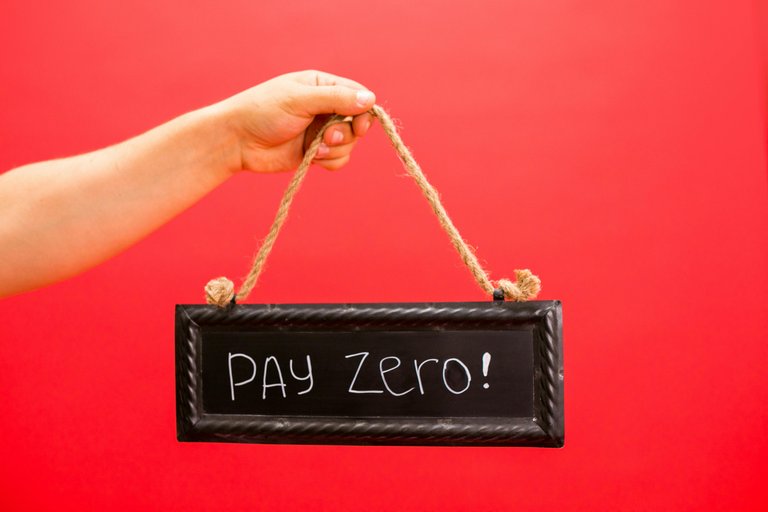
Quizá muchos hayan experimentado esa incómoda sensación de que incluso un favor entre amigos, ese gesto desinteresado que antaño fluía sin condiciones, ahora parece precedido de un cálculo mental apenas consciente. Como si antes de ofrecer ayuda, se activara una vocecita interior que preguntase: "¿Qué obtendré a cambio?", "¿Me conviene esta inversión afectiva?", "¿Este apoyo que presto ahora me reportará algún beneficio futuro?". No se trata de esa reciprocidad natural y cálida que brota espontáneamente del cariño o la empatía, sino de un frío mecanismo de equivalencia que convierte el vínculo humano en transacción; de este modo sin declararlo abiertamente, un amigo puede terminar siendo alguien "que me resulta útil", el respeto se transforma en una moneda de cambio, y hasta el amor familiar comienza a operar bajo la lógica de "doy porque anticipo recibir", cuando en esencia dar forma parte de aquello que nos define como personas.
Es indudable que nuestras vidas discurren hoy dentro de sistemas económicos que, en su afán expansivo empujan casi todo el tiempo en esa dirección, tratando muchos aspectos de la existencia como una mercancía potencial, y esa presión termina infiltrándose en el subconsciente colectivo, modelando gestos cotidianos, modulando la manera en que nos miramos y nos relacionamos. Sin embargo existen líneas que una vez cruzadas, nos transforman en algo distinto a lo que decimos ser; la honestidad por mencionar un valor fundamental, no puede someterse a la lógica del costo-beneficio sin dejar de ser honestidad; si se negocia deviene en mera conveniencia disfrazada; el respeto genuino no admite regateos, y la solidaridad que espera retorno no es solidaridad, sino inversión con intereses encubiertos.
Perhaps many have experienced that uncomfortable feeling that even a favor among friends—that selfless gesture that once flowed unconditionally—now seems preceded by a barely conscious mental calculation. As if, before offering help, a little inner voice were activated, asking: "What will I get in return?", "Is this emotional investment worthwhile for me?", "Will this support I offer now bring me some future benefit?" This is not about that natural, warm reciprocity that springs spontaneously from affection or empathy, but rather a cold mechanism of equivalence that turns the human bond into a transaction. In this way, without openly stating it, a friend can end up being someone "who is useful to me," respect is transformed into a bargaining chip, and even family love begins to operate under the logic of "I give because I anticipate receiving," when in essence, giving is part of what defines us as human beings.
There is no doubt that our lives now unfold within economic systems that, in their expansive drive, push almost constantly in that direction, treating many aspects of existence as potential commodities. This pressure ends up seeping into the collective subconscious, shaping everyday gestures, modulating the way we look at each other and relate. However, there are lines that, once crossed, transform us into something different from what we claim to be. Honesty, to mention a fundamental value, cannot be subjected to cost-benefit logic without ceasing to be honesty; if negotiated, it becomes mere disguised convenience. Genuine respect admits no haggling, and solidarity that expects a return is not solidarity, but investment with hidden interests.

Lo más valioso en la vida no reside en aquello que puede ser vendido o tasado, sino precisamente en lo que se niega rotundamente a entrar en el mercado, las verdaderas riquezas al final del camino, no descansan en extractos bancarios ni en posesiones materiales, sino en la densidad de los vínculos que construimos, en la confianza que jamás se compra ni se vende, en el abrazo sincero que no emite factura, en la palabra empeñada que no busca rentabilidad.
Por ello, no resulta ocioso detenerse y preguntarse en la intimidad de cada día: ¿en qué aspectos de mi vida estoy dejando entrar, sin siquiera notarlo, esta lógica mercantil? ¿Qué relaciones personales estoy tratando, quizá sin malicia, como si fueran meras transacciones? ¿Qué partes esenciales de mí mismo he colocado, casi sin advertirlo, en un estante con etiqueta de precio? No se trata de satanizar cualquier intercambio económico, actividad indispensable para la vida social, sino de recordar que no todo es intercambiable; existen esferas de la existencia, que se corrompen en el mismo instante en que las medimos con la vara del lucro.
Las personas no somos objetos ni mercancías, y depende de nosotros, de cada pequeña decisión cotidiana, del gesto que elige conscientemente no calcular, y preservar aquello que nos hace humanos. Solo se compra lo que alguien decide poner en venta; quienes se niegan a subir al mostrador permanecen libres, y esa libertad verdadera, no tiene precio que pueda pagarse con moneda alguna.
The most valuable things in life do not reside in what can be sold or appraised, but precisely in what absolutely refuses to enter the market. The true riches at the end of the road do not rest on bank statements or material possessions, but in the depth of the bonds we build, in the trust that is never bought or sold, in the sincere embrace that issues no invoice, in the pledged word that seeks no profitability.
Therefore, it is not idle to stop and ask ourselves in the intimacy of each day: In what areas of my life am I letting this mercantile logic enter, without even noticing it? Which personal relationships am I treating, perhaps without malice, as if they were mere transactions? What essential parts of myself have I placed, almost unwittingly, on a shelf with a price tag? It is not about demonizing all economic exchange—an indispensable activity for social life—but about remembering that not everything is exchangeable. There are spheres of existence that become corrupted the very moment we measure them with the yardstick of profit.
People are not objects or commodities. It depends on us, on each small daily decision, on the gesture that consciously chooses not to calculate, to preserve what makes us human. Only what someone decides to put up for sale can be bought. Those who refuse to step onto the counter remain free, and that true freedom has no price that can be paid with any currency.

Translated with Google (free version)
Traducido con Google (versión gratuita)
Gracias por su visita
Thank you for your visit
Posted Using INLEO